Enhancing Independence: Smaller Senior Care Residences and Daily Living Support
Business Name: BeeHive Homes of Mesquite
Address: 780 2nd S St, Mesquite, NV 89027
Phone: (702) 381-6899
BeeHive Homes of Mesquite
At BeeHive Homes of Mesquite, Nevada, we offer the finest assisted living experience available in a cozy, comfortable homelike setting. Each of our residents has their own spacious room with an ADA approved bathroom and shower. We prepare and serve delicious home-cooked meals three times a day every day. We maintain a small, friendly elderly care community. We provide regular activities that our residents find fun and contribute to their health and well-being. Our staff is attentive and caring and provides assistance with daily activities to our senior living residents in a loving and respectful manner. We would like to invite you to tour and experience our assisted living home and feel the difference.
780 2nd S St, Mesquite, NV 89027
Business Hours
When households first walk into a smaller senior care home, they often look shocked. They anticipate something that feels like a tiny health center. Instead, they find a regular house, slippers by the door, the odor of soup on the stove, and locals talking at a dining table that seats 8 instead of eighty.
I have actually enjoyed that minute modification individuals's thinking. Households get here trying to find a location that can keep a loved one safe. They leave understanding they may have found a place where that loved one can still live, not just be cared for.
Smaller homes can be an alternative to big assisted living communities, to conventional nursing homes, and sometimes even to remaining at home with cobbled-together support. Succeeded, they offer older adults a blend of independence, routine, and individualized daily living assistance that is difficult to reproduce elsewhere.
This is not magic. It is a set of useful options about size, staffing, and viewpoint that plays out minute by minute: help with dressing that respects modesty and speed, a favorite tea made properly, a walk outside when somebody feels uneasy rather of another hour in front of the tv. Those details matter more than any sales brochure language about "person-centered care."
What smaller senior care homes really are
Families use numerous expressions for these settings: residential care homes, board-and-care, care cottages, small-group assisted living. The terminology varies by state and country, but the core concept is consistent.
A smaller senior care home generally implies:
- An accredited house with a small number of locals, frequently ranging from 4 to 16, living in a house-like environment.
That is the first list.
These homes normally supply assisted living level services: aid with individual care, medication management, meals, housekeeping, and coordination with outdoors healthcare. They become part of the wider senior care landscape, along with bigger assisted living communities, nursing homes, and in-home elderly care.
Where they vary is scale and atmosphere. Instead of long passages and several dining-room, you see a routine living-room with familiar furniture, a cooking area that smells like real cooking, and bed rooms that appear like bedrooms, not health center spaces. Personnel are frequently called by given names, and citizens are too. Shift modifications are quieter, documentation is less noticeable, and routines flex more easily around private habits.
Not every smaller home provides the very same level of care. Some run almost like independent living with light support, others handle innovative dementia, oxygen management, or complex medication schedules. That is why labels alone are insufficient. The genuine question is what daily living assistance they can deliver, and how that assistance is woven into the rhythm of the day.
Independence and everyday living: more than slogans
Families frequently state, "We desire Mom to stay independent as long as possible." The trouble is that self-reliance looks really various at 75 than at 92, and different once again when someone is living with Parkinson's or moderate dementia.
Professionally, we break day-to-day function into 2 groups.
Activities of daily living (ADLs) consist of bathing, dressing, grooming, consuming, toileting, and transferring, such as moving from bed to chair. Important activities of daily living (IADLs) include jobs like cooking, managing medications, paying expenses, housekeeping, and utilizing transportation.Independence does not suggest doing everything alone. It implies having the ability to get involved meaningfully in your own life, with the right level of support. An individual who can no longer securely enter a tub may still pick their own clothing, comb their hair, and decide whether they choose an early morning or evening shower. That is self-reliance, even if a caretaker is standing by.
Smaller senior care homes, at their finest, stand out at this subtlety. With less locals and a more home-like structure, staff can adjust assistance to the precise point where it is required. Rather of "shower days" determined by a facility schedule, a resident might be asked, "Are you feeling up to a shower this morning, or would you choose tonight after supper?" Instead of a fixed dining hall menu, personnel might discover that somebody has barely touched breakfast for three days and ask, "Would toast and peanut butter sit better than eggs today?"
Those small options support identity and autonomy. Gradually, they form how somebody feels about themselves: a person still making choices, not a things being managed.
How smaller homes boost independence
The benefits of smaller senior care homes are not automatic. They depend upon management, staffing, and training. When those align, several benefits tend to emerge.
Familiar scale and predictable faces
Human beings orient themselves in area and relationship. Environments that are modest in size, with clear views, are easier to browse for older grownups, especially those with mild cognitive disability or visual difficulties. In smaller homes, the course from bed room to bathroom to kitchen area is brief and rapidly familiar. Locals normally discover who lives where, who sits at which chair, and who typically helps with what.
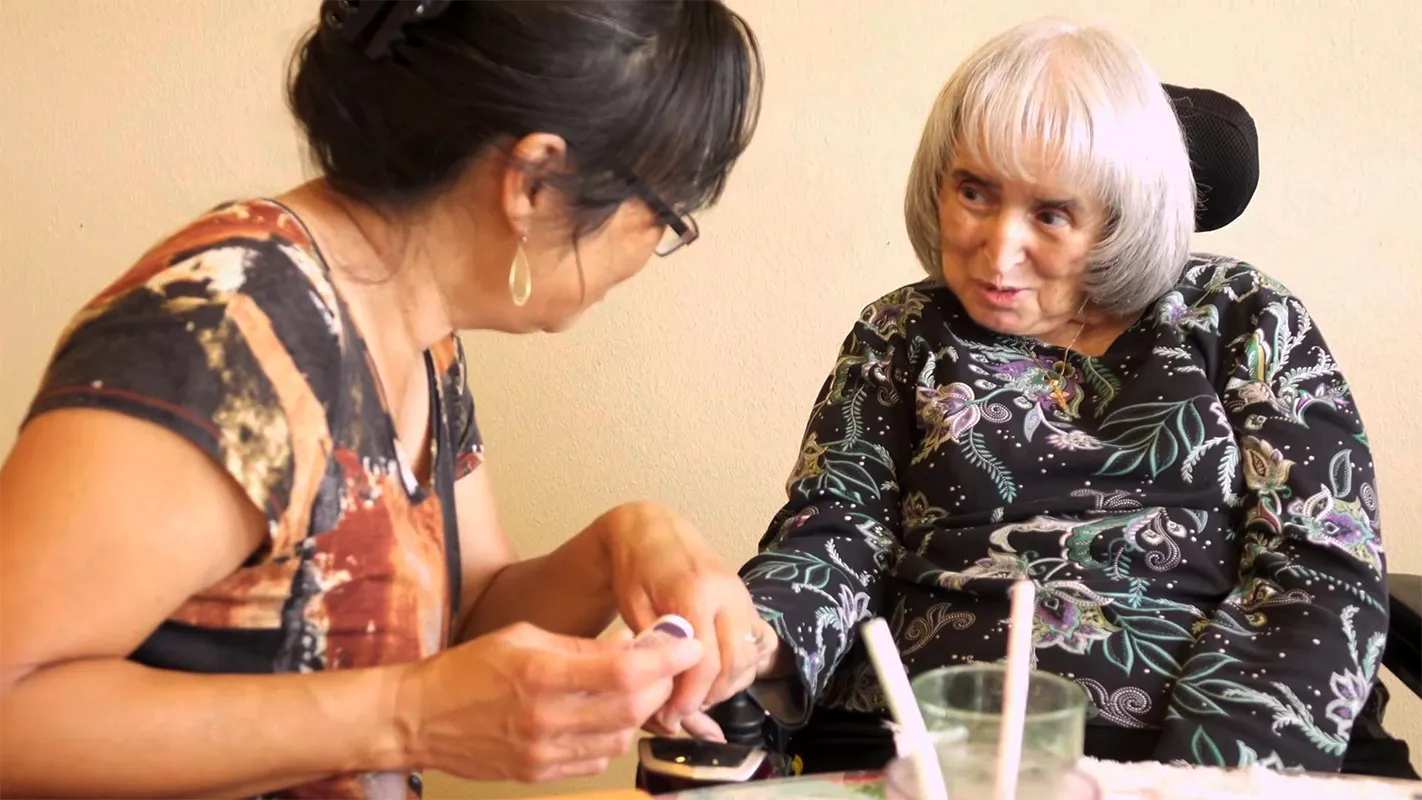
Because there are fewer citizens, personnel turnover is quickly noticed. That can be a weak point if turnover is high, but when leadership invests in retention, the result is a core team of caregivers who truly know each resident. Mrs. Thompson is calmer after her tea. Mr. Patel chooses his afternoon nap in the recliner, not the bed. These information accumulate into trust. When residents trust caregivers, they are more going to attempt tasks themselves with a little support, rather than avoiding them out of worry or confusion.
A different sort of staffing pattern
In big assisted living structures, staffing is typically organized by corridors or floors. Caretakers might be accountable for 12 to 20 residents each. In smaller homes, the ratio is typically lower, and the roles are less segmented. The very same individual who helps someone dress may likewise serve them breakfast, notification that they are strolling more gradually, and later mention it to the nurse.
That connection matters for self-reliance. Instead of stepping in just when jobs fail, staff can prepare for difficulties and adjust assistance. A caretaker might see that a resident is taking longer to button shirts however still wants to try. They can recommend loose, front-opening tops, established the shirt on a flat surface area, and after that go back. The resident finishes the task with dignity, not frustration.
From a useful perspective, I typically see smaller homes "catch" functional decline previously. A caregiver who sees morning regimens every day notifications when a resident starts leaning on the sink to stand up, or when it takes twice as long to tie shoes. Early recognition implies physical treatment or movement aids can be presented before a fall, which preserves both security and confidence.
Flexibility in day-to-day routines
In standard facilities, schedules exist partly to manage complexity: so many locals, numerous jobs. Meals, baths, group activities, and medication rounds cluster around fixed times. For some people, this structure works well. Others feel pressed into a rhythm that does not match their lifelong habits.
Smaller senior care homes can typically bend their routines more easily. If a night owl prefers breakfast at 10:00 rather than 8:00, it is normally possible without interfering with an entire wing. If a resident likes to shower every other day rather of on "Monday, Wednesday, Friday," the group can adjust. That versatility supports independence by letting individuals live closer to their natural patterns.
One of my preferred examples includes a retired baker who had actually constantly woken up around 4:30 in the early morning. When he moved into a small home, the personnel concurred that as long as it was safe, he could keep that routine. They pre-set the coffee machine and positioned his favorite mug on the counter. He did not bake at that hour any longer, however the peaceful time in the dim cooking area with a warm mug in his hands seemed like connection with the life he had built.
Social life without overwhelm
Social contact is crucial in elderly care. Isolation accelerates cognitive decrease and depression. Large assisted living communities often advertise their activity calendars, and for some residents, that variety is exactly best. For others, specifically those with hearing loss, anxiety, or dementia, big group events feel more like noise than connection.
Smaller homes offer a various design. Discussions generally unfold among a handful of people: three residents and a caretaker at the table, 2 people folding laundry together, somebody talking with a visitor in the garden. These settings make it much easier for quieter homeowners to participate. Staff can tailor activities in the moment: turning a basic job like snapping green beans into a shared activity, or inviting somebody to assist set the table instead of putting them in a bingo video game they never liked.
It is self-reliance of character, not just function. People can stay introverted or social, talkative or reserved, and still be woven into everyday life.
Comparing smaller homes, large assisted living, and remaining at home
Families typically feel they need to pick between staying at home with aid, relocating to a big assisted living facility, or transitioning to a smaller care home. Each alternative has strengths and compromises, and the best option depends on the person's needs, personality, finances, and support network.
Here is a basic way to think about it:
- Home with services: Takes full advantage of control over environment and regimens. Functions best when the home is safe to browse, friend or family can fill spaces between expert visits, and the individual can endure periods alone. Cost can be surprisingly high when care requires technique 24 hours.
- Large assisted living: Deals facilities, activity range, and a social "campus." Finest suited to more independent seniors who delight in groups, can adapt to structured schedules, and do not require heavy one-on-one assistance. Typically a great match early in the aging journey.
- Smaller senior care homes: Provide close guidance and hands-on aid in an unwinded, residential setting. Normally work best for those who need constant support with ADLs, take advantage of a quieter environment, or feel overloaded in big buildings. May be more affordable than private 24-hour home care, but less personalized than living at home.
That is the 2nd and final list.
Respite care can fit into any of these classifications. Some smaller homes accept short-term stays, providing family caretakers a break. A week or 2 of respite can also function as a "trial run," letting everybody see how the environment affects mood, movement, and engagement before making longer-term decisions.
Daily living support in practice
When assessing senior care options, households often hear basic declarations: "We assist with all activities of daily living," or "Detailed support with personal care." Those expressions do not capture what the care seems like from the resident's perspective.
In a smaller care home, a common early morning may appear like this. A caretaker knocks, waits for a reaction, then goes into and greets the resident by name. They ask how the night went and listen to the answer. Together they choose whether today is a shower day or a quick wash-up. The caregiver sets out two outfits that match the weather and asks which is preferred. If arthritis has stiffened the resident's hands, the caretaker might guide their arms into sleeves while permitting them to pull the t-shirt down themselves.
Medication assistance is woven in. Tablets are not tossed into tiny paper cups and lined up on carts in a corridor. Rather, an employee brings the medication to the resident, describes what each is for if the resident needs to know, provides a preferred drink, and waits long enough to guarantee whatever is actually swallowed. For someone with memory problems, that persistence can avoid missed doses.
Mobility support often benefits from the home-like scale. The distance from bedroom to bathroom might be simply far adequate to count as mild exercise, with a caregiver strolling together with. If somebody is unstable, staff can encourage making use of a walker without turning every transfer into a crisis. They are not enjoying twenty homeowners simultaneously, so they can take those extra moments at the start of movement, which is when most falls can be prevented.
Meals in a smaller home tend to look like family-style dining. Choices are typically more versatile than they appear on a composed menu, because the person cooking is frequently the one serving. A resident who loved hot food throughout life must not suddenly have everything bland "for simplicity." With a little bit of attention to dietary restrictions and chewing capability, favorites can generally be maintained in some type. That protects enjoyment, which in turn supports appetite, weight, and strength.
Housekeeping and laundry become chances, not simply tasks. Many homeowners wish to assist fold towels, match socks, or dust their own night table. In a large facility, such involvement can be challenging to monitor safely. In a small home, a caregiver can stand nearby, chat, and gently change the work based upon fatigue.
Coordination with outside health care is also part of day-to-day living support. Transport to physician visits, sharing updates with families, and tracking changes in behavior or hunger all impact self-reliance. I have actually seen smaller homes where caregivers frequently join telehealth visits with the resident, adding useful details that the resident might forget. "She is walking a bit slower this month, and we observed more difficulty when she gets up from a low chair." That details can prompt timely physical therapy or medication changes, avoiding crises that could require an undesirable move.
Respite care, when provided in these homes, follows similar routines however over a shorter duration. It allows both the resident and the household to experience how these assistances affect daily life. Frequently, households are surprised to see enhancement in function. With constant, unrushed aid, someone who was "too tired" to shower safely in the house might manage it regularly once again, simply since they feel less rushed and less anxious.
When a smaller home is not the best fit
No single senior care choice fits everyone. Smaller homes, for all their advantages, are not ideal in every situation.
Residents who require intensive healthcare beyond the scope of assisted living, such as ventilator support, complex wound care, or frequent IV treatments, are usually better served in a competent nursing center or hospital-based program. Some smaller homes partner with home health agencies, however there are limits to what can safely be handled in a residential setting.
Behavioral challenges can likewise be challenging. A person with extreme hostility, wandering that withstands all intervention, or substantial exit-seeking behavior might require an extremely secure environment with specialized staffing. While some smaller homes are developed particularly for advanced dementia, others are not physically set up for consistent redirection and danger management.
Cost is another aspect. Per-day rates for smaller homes are frequently competitive with bigger assisted living facilities, in some cases lower. However, the extensive nature of the rates, while hassle-free, can restrict flexibility. In some regions, Medicaid or public funding is less offered for small residential options than for bigger organizations, narrowing access.
Personal preference matters as well. Some older grownups enjoy energy, range, and structured programming. For them, a huge assisted living neighborhood with regular occasions, an on-site fitness center, or a busy lobby may feel more interesting. A peaceful bungalow with 8 homeowners, nevertheless well run, may feel too small.
The key is to match the setting not just to practical requirements, but likewise to personality and worths. An introverted person who has always preferred a tight circle of relationships might grow in a smaller care home. A lifelong extrovert who organized area events may choose a larger environment, even if it implies sacrificing some flexibility around routine.
How to evaluate a smaller senior care home
When families tour smaller homes, the experience can be stealthily pleasant. The scale feels comfy, the staff appear friendly, and it smells like supper. To move past impressions, concentrate on what every day life will look like.
During visits, take notice of who is in typical locations and what they are doing. Are homeowners taken part in small discussions, enjoying television with interest, or oversleeping wheelchairs? Do staff address locals by name and at eye level, or from a range while multitasking? Observe how someone who is puzzled or distressed is dealt with. Calm redirection and mild explanation suggest training and patience.
Ask specific concerns. How many citizens are here, and the number of staff are on duty during days, evenings, and nights? Who prepares meals, and how versatile are they with choices and cultural foods? Can locals select their own waking and sleeping times? How are modifications in health communicated to households? If the home supplies respite care, ask how brief stays are integrated into the day-to-day routine.
It is also worth asking caregivers themselves how long they have actually worked there and what they like about the task. People who feel highly regarded and heard are most likely to stay, minimizing turnover. Continuity is one of the greatest indicators that a home can support self-reliance over time, not simply supply standard elderly care.
Regulatory history matters too. Search for examination reports where possible and ask how any noted deficiencies were remedied. No setting is ideal, however a pattern of the same issues duplicating across years is a caution sign.
Keeping identity at the center
The best smaller senior care homes deal with independence as more than physical ability. They secure identity: who someone has actually been, what they value, what they still wish to contribute.
For one resident, that might imply listening to classical music each morning while checking out the newspaper, even if a caregiver now requires to hold the paper in place. For another, it memory care beehivehomes.com might mean continuing to practice a faith tradition, with staff reminding them of service times or arranging transportation. For another person, it could be as simple as preserving an enduring practice of calling a sibling every Sunday evening.
Families play a vital function in this. The more detail staff have about biography, preferences, fears, and routines, the much better they can customize daily living support. I frequently motivate households to compose a brief "about me" document: preferred foods, former jobs, essential relationships, hobbies, and routines. In a small home, staff are in fact likely to read and use it.
When senior care is organized in this manner, independence does not vanish as needs grow. It moves, from doing jobs alone to directing how those tasks are done. A resident may no longer prepare the meal, however they can select what is on the plate. They might not handle their own medications, however they can choose to go over negative effects with their physician. That sense of firm is what sustains dignity.
Bringing it back to what matters
At its heart, the option of a smaller senior care home has to do with how somebody will live every day, not simply where they will sleep. It has to do with whether an individual will feel known when they get up confused, whether a caretaker will keep in mind that they like sugar in their tea, whether there is time in the schedule for a sluggish walk on a good-weather afternoon.
Smaller homes can not resolve every problem in aging, and they are not generally the very best option. Yet when they are attentively run, with steady personnel and authentic attention to day-to-day living assistance, they offer something many households long for: a setting that can keep a loved one safe without removing the patterns and preferences that make that person who they are.
For older adults who need assisted living or respite care, and for families balancing safety, independence, and emotion, these homes can bridge the space in between "in the house" and "in a center." They prove that senior care does not have to feel institutional. It can feel like life continuing, with help, in a smaller and more workable frame.
BeeHive Homes of Mesquite provides assisted living care
BeeHive Homes of Mesquite provides respite care services
BeeHive Homes of Mesquite supports assistance with bathing and grooming
BeeHive Homes of Mesquite offers private bedrooms with private bathrooms
BeeHive Homes of Mesquite provides medication monitoring and documentation
BeeHive Homes of Mesquite serves dietitian-approved meals
BeeHive Homes of Mesquite provides housekeeping services
BeeHive Homes of Mesquite provides laundry services
BeeHive Homes of Mesquite offers community dining and social engagement activities
BeeHive Homes of Mesquite features life enrichment activities
BeeHive Homes of Mesquite supports personal care assistance during meals and daily routines
BeeHive Homes of Mesquite promotes frequent physical and mental exercise opportunities
BeeHive Homes of Mesquite provides a home-like residential environment
BeeHive Homes of Mesquite creates customized care plans as residents’ needs change
BeeHive Homes of Mesquite assesses individual resident care needs
BeeHive Homes of Mesquite accepts private pay and long-term care insurance
BeeHive Homes of Mesquite assists qualified veterans with Aid and Attendance benefits
BeeHive Homes of Mesquite encourages meaningful resident-to-staff relationships
BeeHive Homes of Mesquite delivers compassionate, attentive senior care focused on dignity and comfort
BeeHive Homes of Mesquite has a phone number of (702) 381-6899
BeeHive Homes of Mesquite has an address of 780 2nd S St, Mesquite, NV 89027
BeeHive Homes of Mesquite has a website https://beehivehomes.com/locations/mesquite/
BeeHive Homes of Mesquite has Google Maps listing https://maps.app.goo.gl/FouNDQWSGjDorrdT7
BeeHive Homes of Mesquite has Instagram page https://www.instagram.com/beehivehomesmesquite/
BeeHive Homes of Mesquite has an TikTok page https://www.tiktok.com/@beehivehomesofmesquite
BeeHive Homes of Mesquite has an YouTube page https://www.youtube.com/@hamiltonshives4468
BeeHive Homes of Mesquite won Top Assisted Living Homes 2025
BeeHive Homes of Mesquite earned Best Customer Service Award 2024
BeeHive Homes of Mesquite placed 1st for Senior Living Communities 2025
People Also Ask about BeeHive Homes of Mesquite
What is BeeHive Homes of Mesquite Living monthly room rate?
Our base rate is $4,400/month plus a one-time community fee of $1,500. We do an assessment of each resident's needs upon move-in, so a resident's rate may be slightly higher. Based on the assessment, a resident may be in Tier I, II, or III with pricing from $4,900 to $5,300 per month. However, we do not add any "a la carte" charges after that rate is set. There are no add-ons or hidden fees
Does Medicare or Medicaid pay for a stay at Bee Hive Homes?
Medicare pays for hospital and nursing home stays, but does not pay for assisted living. Some assisted living facilities are Medicaid providers, but we are not. We do accept private pay, long-term care insurance, and we can assist qualified Veterans with approval for the Aid and Attendance program
Do we have a nurse on staff?
We do have a nurse on contract who is available as a resource to our staff but our residents' needs do not require a nurse on-site. We always have trained caregivers in the home and awake around the clock
What can you tell me about the food at Bee Hive?
You have to smell it and taste it to believe it! We use dietitian-approved meals with alternates for flexibility, and we can accommodate needs for different texture and therapeutic diets. We have found that most physicians are happy to relax diet restrictions without any negative effect on our residents
Do we have a pharmacy that fills medications?
We do have a relationship with an excellent pharmacy that is able to deliver to us and packages most medications in punch-cards, which improves storage and safety. We can work with any pharmacy you choose but do highly recommend our institutional pharmacy partner
Where is BeeHive Homes of Mesquite located?
BeeHive Homes of Mesquite is conveniently located at 780 2nd S St, Mesquite, NV 89027. You can easily find directions on Google Maps or call at (702) 381-6899 Monday thru Sunday: 8:00am to 7:00pm
How can I contact BeeHive Homes of Mesquite?
You can contact BeeHive Homes of Mesquite by phone at: (702) 381-6899, visit their website at https://beehivehomes.com/locations/mesquite/ or connect on social media via Instagram Facebook or TikTok
Gregory's Mesquite Grill offers a comfortable setting for family meals and visits with loved ones receiving Assisted living memory care senior care elderly care and respite care.